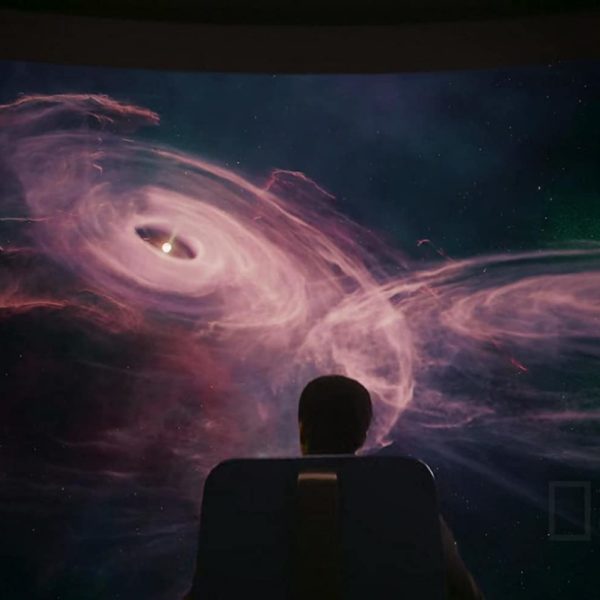
On this episode of ID the Future, guest host Jay Richards interviews science historian Michael Keas about the new Neil deGrasse Tyson Cosmos television series and its “very impressionistic storytelling.” Starting with an episode titled “Ladder to the Stars,” Cosmos: Possible Worlds weaves a tale of chemical evolution that, according to Keas, fails to engage the tough problems required to build the first self-reproducing biological entity. Keas says it then it moves into a glib explanation for the origin of mind and human intelligence. As Richards and Keas show, evidence takes a back seat to storytelling in both this latest version of Cosmos and in its predecessors.
On today’s ID the Future, Your Designed Body co-author and physician Howard Glicksman talks with host and neurosurgery professor Michael Egnor about Glicksman’s new...

On this episode of ID The Future, the CSC's Robert Crowther reports on the problems with peer-review and the obstacles the system presents to...
On this episode of ID the Future, Logan Gage interviews historian Richard Weikart on his new book, Hitler's Ethic: The Nazi Pursuit of Evolutionary...