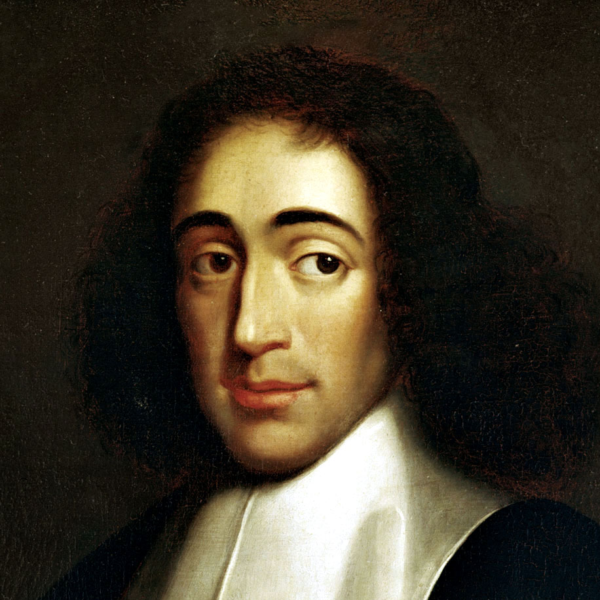
On this episode of ID the Future, host and philosopher Jay Richards interviews science historian Michael Keas about the National Geographic channel’s new Cosmos series with Neil DeGrasse Tyson. In the Cosmos episode under discussion, the 17th century philosopher Baruch Spinoza is presented as an early advocate for science.
It makes for a great story, Keas says, except that it’s a serious distortion. Spinoza was an advocate for nature, but he did so by equating it with God, and he opposed some of the most important innovations in science. As both Richards and Keas suggest in their conversation, it appears that the makers of Cosmos: Possible Worlds are trying to use Spinoza’s pantheism to invoke a spiritualized approach to nature and science, one more palatable than strict materialism, but that obscures how Christian theism provided important theological resources for the scientific revolution.

On this episode of ID the Future, Dr. John West, author of the newly updated book Darwin Day in America, continues his conversation with...

On this classic ID The Future from our archive, Dr. John West, author of Walt Disney and Live Action: The Disney Studio’s Live-Action Features...
Is there interest and support for intelligent design in other countries besides the United States? As today's interview will show, the answer to that...