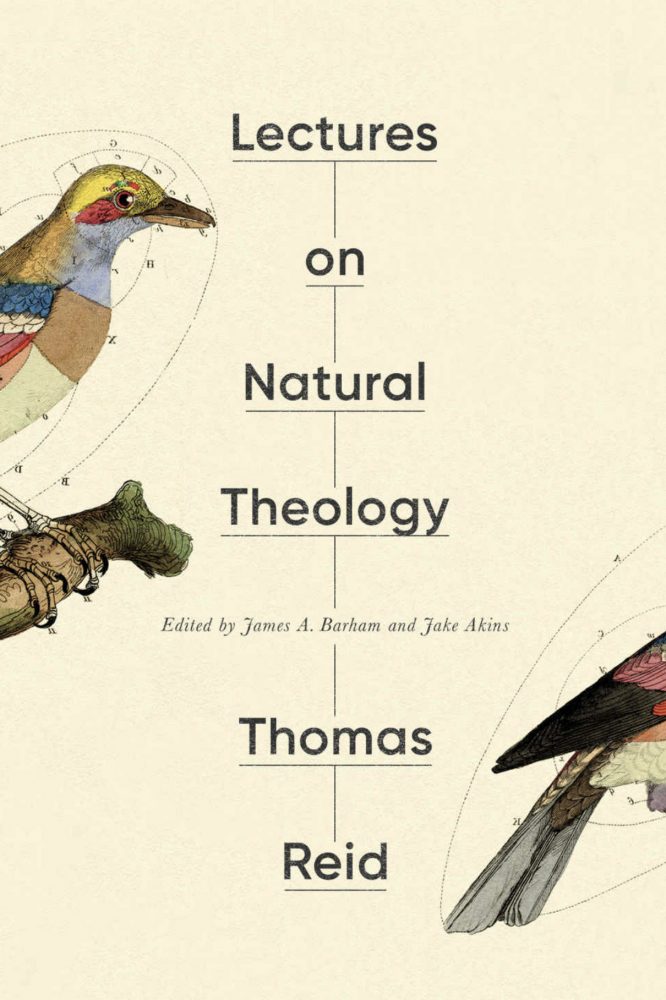
On this episode of ID the Future, Jay Richards speaks with James Barham, who’s just edited a new edition of Scottish Enlightenment philosopher Thomas Reid (1710-1796), Lectures on Natural Theology. One of the most readable of all philosophers, Reid is well known for his “common-sense philosophy.” Were he living today, says Barham, he would have certainly been part of the intelligent design movement. Though it’s commonly thought that David Hume refuted Reid’s design arguments, Reid actually produced these lectures after Hume’s death, tracing his design argument back to Plato and Cicero, and did not find Hume’s key anti-design arguments at all persuasive, much less daunting or difficult to rebut. Barham also provides some interesting historical bits about how these lectures came to be written down, and some of the advantages this new resource on Thomas Reid offers over earlier Reid scholarship.

An actor in Hollywood raises the important question of when people should and shouldn’t be skeptical of claims made in the name of science,...

On this episode of ID The Future, the CSC's Casey Luskin discusses the ACLU's history of misrepresenting intelligent design, and promulgating deceptive definitions of...

In this episode of ID The Future, Casey Luskin interviews Bradley J. Monton, Associate Professor of Philosophy at the University of Colorado, Boulder, about...