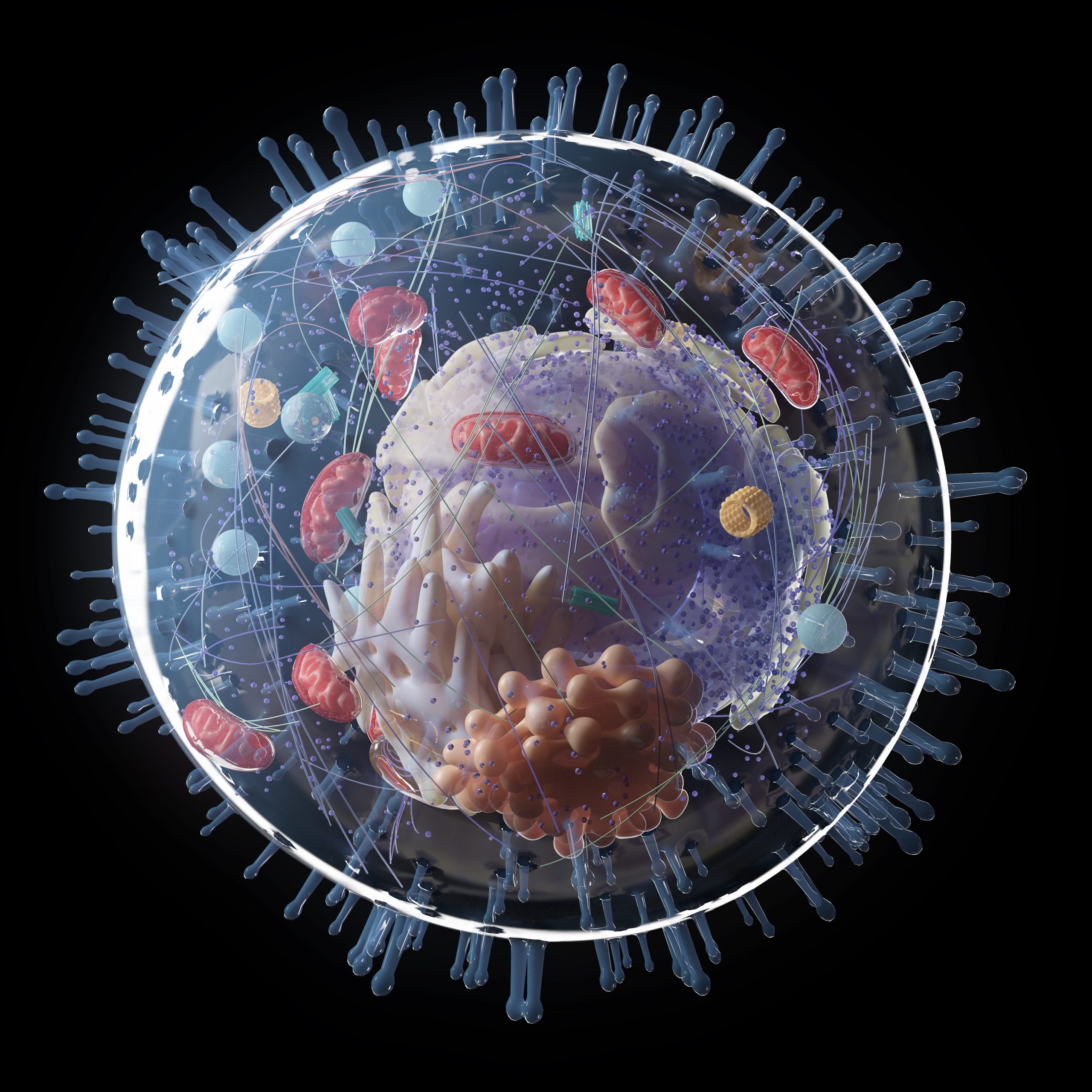
On this episode of ID the Future, biochemist and author Michael Denton tells host Eric Anderson more about his new book The Miracle of the Cell, and about his epiphany when he recognized the many remarkable ways that nature’s chemistry is fine-tuned for life. The focus in this conversation is on carbon chemistry and its “goldilocks zone” ability to form stable bonds but let loose of them when needed. Whereas biologists once wondered about a vitalist “life force” in the cell, Denton sees intelligence and foresight in the very design of carbon, its unique properties, and its “coincidental” relation to water. According to Denton, all of this, taken together, constitutes “one of nature’s most remarkable examples of nature’s fitness for life on earth.” Carbon’s suite of life-friendly features, he says, is foundational to the cell's peerless ability to build sophisticated biological forms--everything from the smallest bacterium to the tallest tree, and you and me.

On this episode of ID the Future, Andrew McDiarmid continues his series with Michael Behe about Behe’s new book Darwin Devolves: The New Science...

On this episode of ID the Future, CSC's Robert Crowther takes aim at Darwinist misinformation about the origins of intelligent design. Crowther makes mincemeat...
On this episode we provide breaking news and the latest developments in the ongoing controversy over Iowa State University's denial of tenure to noted...